

Scaling Paid Media 2×, Without Giving Up ROAS.
Joviality doubled down on growth across Meta, Google and TikTok, scaling media investment by more than 100% while improving sales efficiency and protecting return on ad spend.
E-Commerce Growth, Meta · Google · TikTok
What was broken.
Joviality had reached a point familiar to growing e-commerce brands: as acquisition expanded, blended ROAS began to soften. From January 2023, a growing share of new-visitor and new-customer traffic began putting pressure on efficiency, while Google cost-per-conversion grew highly volatile, making it harder to scale spend with confidence. The challenge wasn't simply to spend more: it was to build an acquisition structure capable of absorbing significantly more budget without sacrificing performance.
What we did about it.
A staged rebuild across every channel, structured around the funnel instead of platform habit:
Rebuilt the Google Architecture
Instead of relying on a single campaign structure, Google was rebuilt around a staged mix of Performance Max, Search, Shopping, Display and Video, separated by objective, including discovery, product focus, bundles, new acquisition and brand protection.
Turned TikTok Into a Real Acquisition Channel
TikTok moved beyond experimental spend and became a consistent third demand channel, scaling from a small test allocation into a meaningful part of the media mix and reducing dependency on Meta and Google alone.
Shifted Meta to Always-On Performance
Rather than relying on isolated campaign bursts, Meta moved toward an always-on structure ahead of the peak Black Friday period, creating a more stable acquisition engine and room to scale budget on performance rather than campaign timing.
Built the Budget Around the Funnel
Budget allocation was structured around customer intent instead of platform habit: 55% TOFU for new-customer acquisition and discovery, 25% MOFU for engaged visitors and consideration, and the remainder for checkout recovery and past-purchaser reactivation.
Let ROAS Decide the Creative Mix
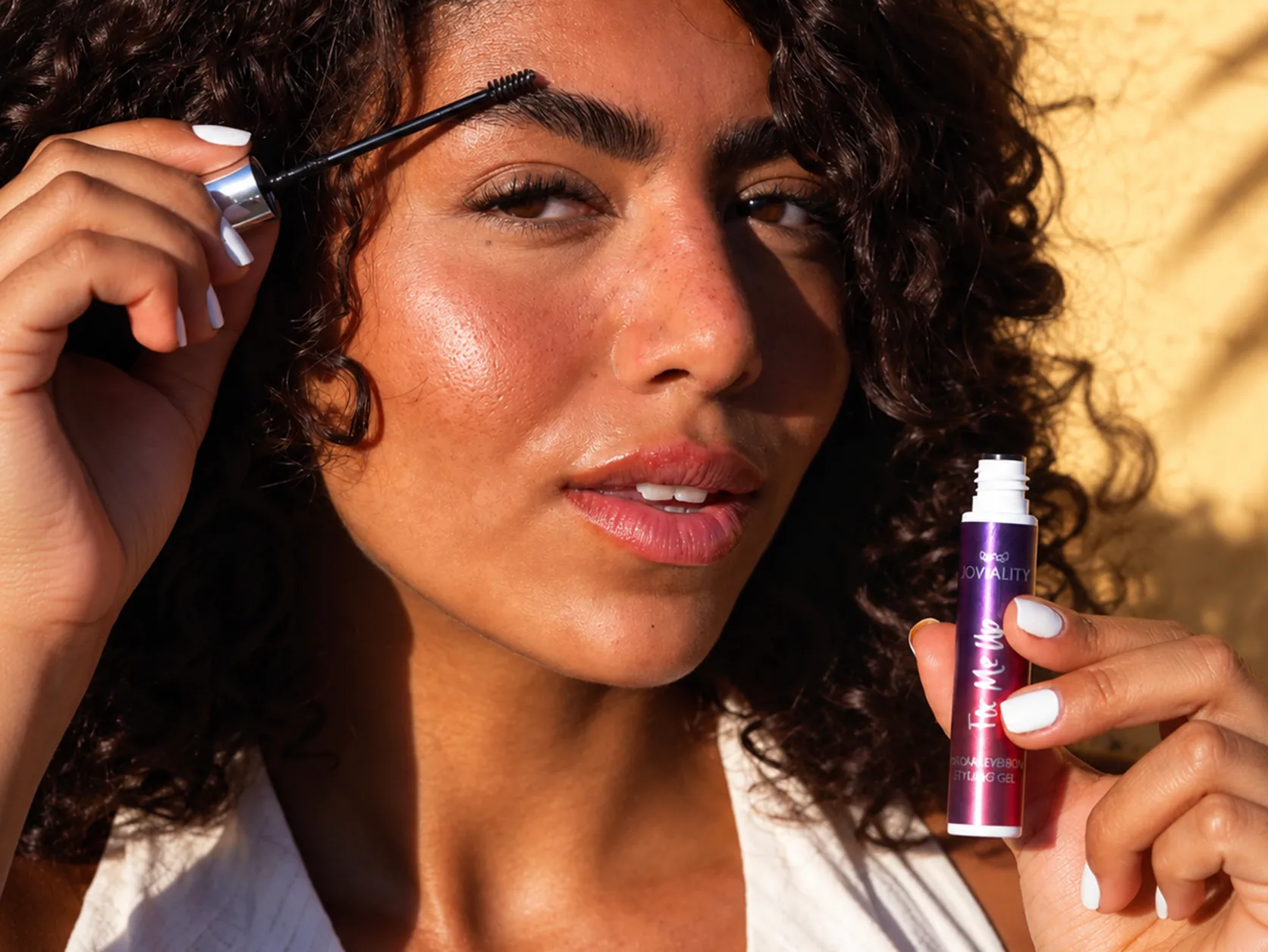
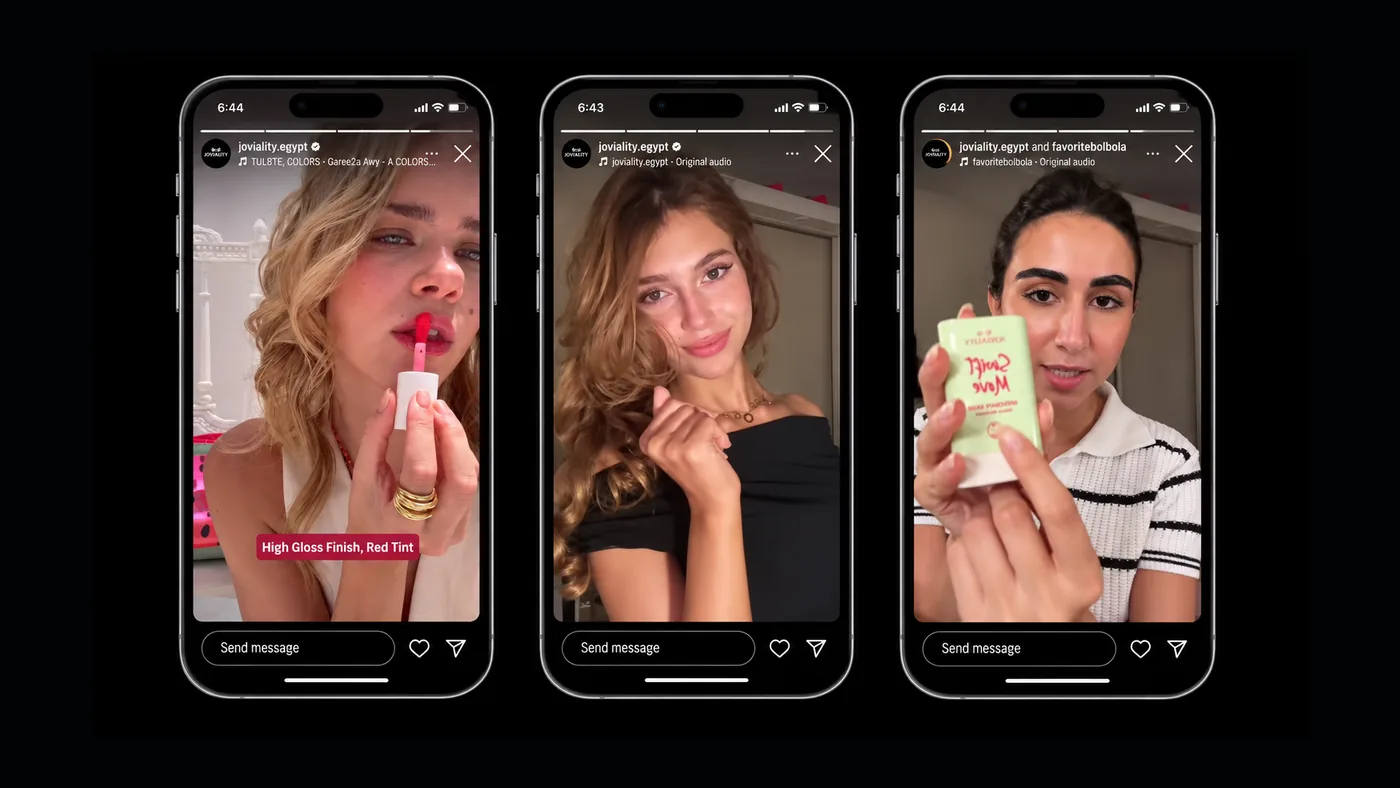
Creative planning followed performance data rather than assumptions. Product-focused creative featuring a human element consistently produced stronger ROAS and received the largest share of the content mix, while underperforming lifestyle content was deliberately capped.
Scaled in Stages, Not All at Once
The Google restructure was rolled out progressively across multiple campaign stages, from Performance Max and Brand Search to Shopping, Search, Video, Display and Dynamic Remarketing, each introduced and evaluated before the next was added.
What it produced.
Program totals across the engagement period:
Paid media spend scaled, EGP 685.7K to EGP 1.39M
Gross sales growth, EGP 2.84M to EGP 6.09M
Optimized blended ROAS, vs. 4.14x baseline
Peak single-month blended ROAS, August 2023
Google conversion volume growth, 153 to 726 conversions
Blended Google cost-per-conversion, held while volume scaled
The key result wasn't simply that Joviality spent more. The account absorbed more than twice the media investment while sales grew even faster, with ROAS improving rather than collapsing under scale.
What it leaves behind.
Google's rebuilt architecture created room for significantly more conversion volume without sacrificing efficiency.
TikTok became a genuine acquisition channel instead of a test allocation.
Creative decisions followed actual ROAS-by-format performance, and budget allocation followed the customer funnel instead of historical platform habits.
What's Next
With the new performance structure established, the next objective was carrying that momentum into peak season. Q4 planning targeted higher sales volume while maintaining disciplined ROAS ranges, including an October target of EGP 860K gross sales at 3.8–4.2x ROAS and a November target of EGP 1.2M at approximately 5.0x ROAS. The larger goal: turn a successful restructuring phase into a repeatable framework for sustained e-commerce growth.